
Power Transformer Protection: Solutions for Modern Electrical Grids
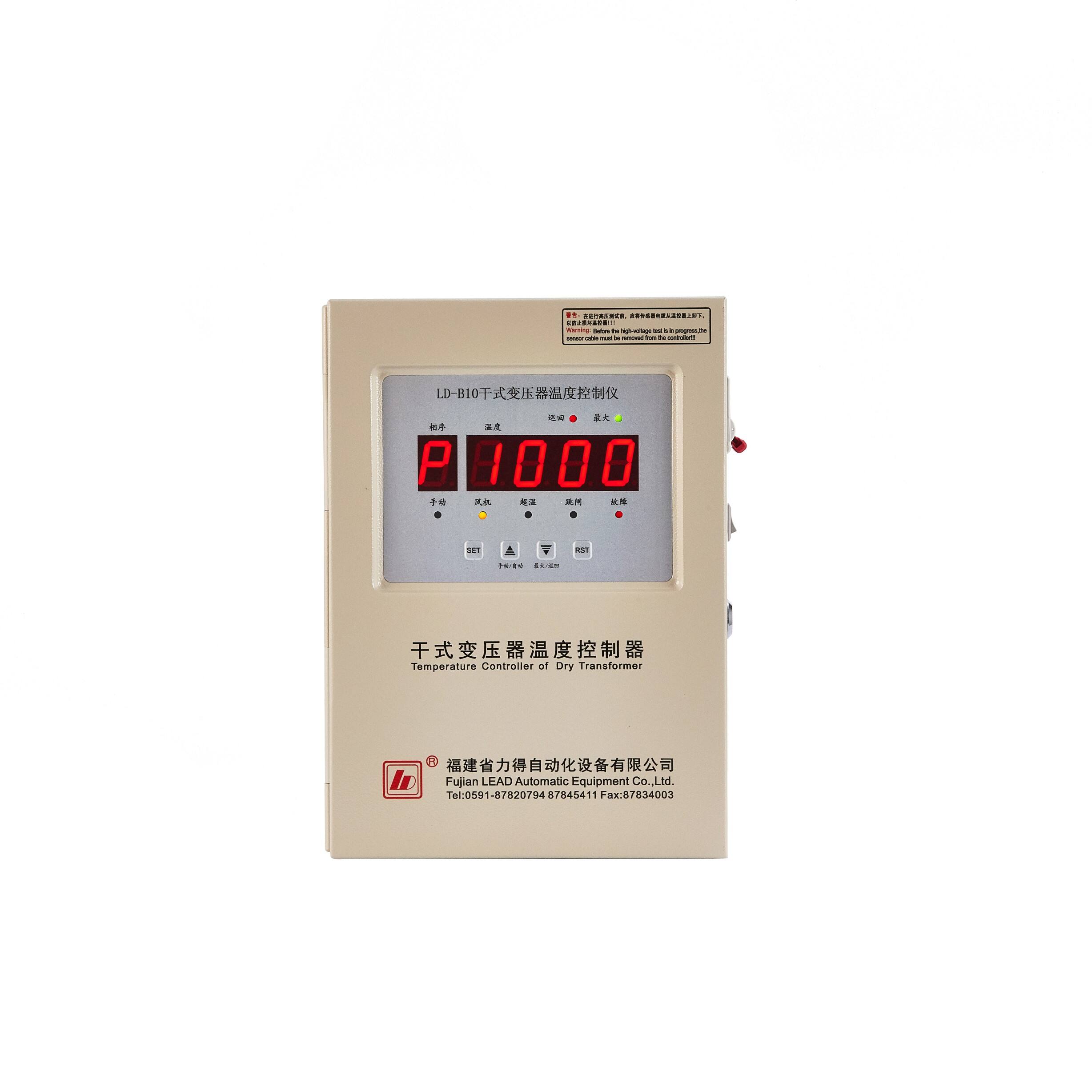
Power transformers are critical components in electrical grids, playing a crucial role in voltage conversion and power distribution across long distances. Due to their size, complexity, and high operational value, transformers are vulnerable to various risks, including electrical faults, short circuits, and environmental hazards. Protecting these assets is essential to ensure grid stability, reduce downtime, and prevent costly repairs. Modern Electric reactor protection strategies have evolved significantly, leveraging advanced technologies and sophisticated methodologies to address the growing demands of today's electrical systems.
The Importance of Transformer Protection
Power transformers are susceptible to numerous fault conditions that can lead to catastrophic damage if not mitigated. These faults can be caused by internal issues like winding short circuits or external factors such as lightning strikes, animal intrusion, or natural disasters. Without proper protection, a single failure in a transformer can result in widespread outages, financial losses, and even safety hazards.
Transformer protection ensures that faults are detected quickly, and corrective actions are taken to isolate the affected equipment from the rest of the grid. This helps in minimizing damage, ensuring continued service, and enhancing the overall reliability of the electrical network.
Types of Transformer Faults
There are several types of faults that power transformers can experience, including:
-
Internal Faults: These occur inside the transformer, often involving short circuits or insulation failure between windings. If undetected, internal faults can lead to catastrophic transformer failure.
-
External Faults: These are faults outside the transformer, such as short circuits or lightning strikes, which can cause equipment damage or impact the stability of the grid.
-
Overloading: When transformers operate beyond their rated capacity, overheating can occur, leading to degradation of the transformer's insulation and eventual failure.
-
Ground Faults: These occur when there is an unintended connection between the transformer’s winding and ground, which can lead to equipment failure and safety hazards.
Protection Techniques for Modern Grids
As electrical grids become more complex and interconnected, the need for advanced transformer protection has become even more pressing. Modern transformer protection schemes incorporate a combination of traditional and innovative technologies to provide comprehensive safeguarding. Key protection strategies include:
1. Differential Protection
Differential protection is one of the most common and effective methods for protecting transformers. It works by comparing the current entering and exiting the transformer. If there’s a difference in current, indicating a fault, the protection system will trip the transformer circuit. This method is highly effective in detecting internal faults, including short circuits and winding failures.
2. Overcurrent Protection
Overcurrent protection detects when the current exceeds a predefined threshold. While it may not be as fast or specific as differential protection, it serves as a reliable backup system to protect against transformer overloads or external faults.
3. Buchholz Relay
This is a gas-actuated relay used to detect the presence of gases formed during internal faults. The Buchholz relay is typically installed in oil-filled transformers and can detect issues like partial discharge or insulation breakdown early on, allowing operators to take preventive action before a complete failure occurs.
4. Temperature Monitoring
Transformers are sensitive to temperature fluctuations, and overheating can lead to insulation breakdown. Modern protection schemes include temperature sensors to monitor oil and winding temperatures. If temperatures rise beyond acceptable limits, the system can trigger an alarm or trip the transformer to prevent further damage.
5. Pressure Relief Devices
These devices are used to manage excess pressure inside the transformer due to faults like internal short circuits. A sudden increase in pressure, usually from the formation of gases, can lead to mechanical failure. Pressure relief valves ensure the transformer operates within safe pressure limits, preventing catastrophic explosions.
6. Advanced Numerical Relays
Numerical relays, powered by digital signal processing, offer highly flexible and precise protection. They can handle multiple protection functions simultaneously, such as differential, overcurrent, and fault location, in a single relay. These relays are capable of real-time data processing, making them ideal for modern, highly automated grids.
Conclusion
As the demands on electrical grids increase and technologies evolve, transformer protection systems must keep pace to ensure the reliability and resilience of power networks. From advanced differential protection to smart numerical relays, modern solutions provide comprehensive coverage, allowing for faster detection, isolation of faults, and minimized downtime. As the energy landscape continues to shift toward renewable sources and decentralized power, these protection strategies will be vital in maintaining stable and efficient electrical grids worldwide.