
Choosing the right dress for girls is not only about colors, patterns, or appearance. A practical casual dress should make everyday activities easier while keeping the wearer comfortable and confident. Whether she is going to school, visiting relatives, spending time with friends, attending a casual gathering, or enjoying a weekend outing, the clothing should allow her to move freely and feel comfortable for several hours.
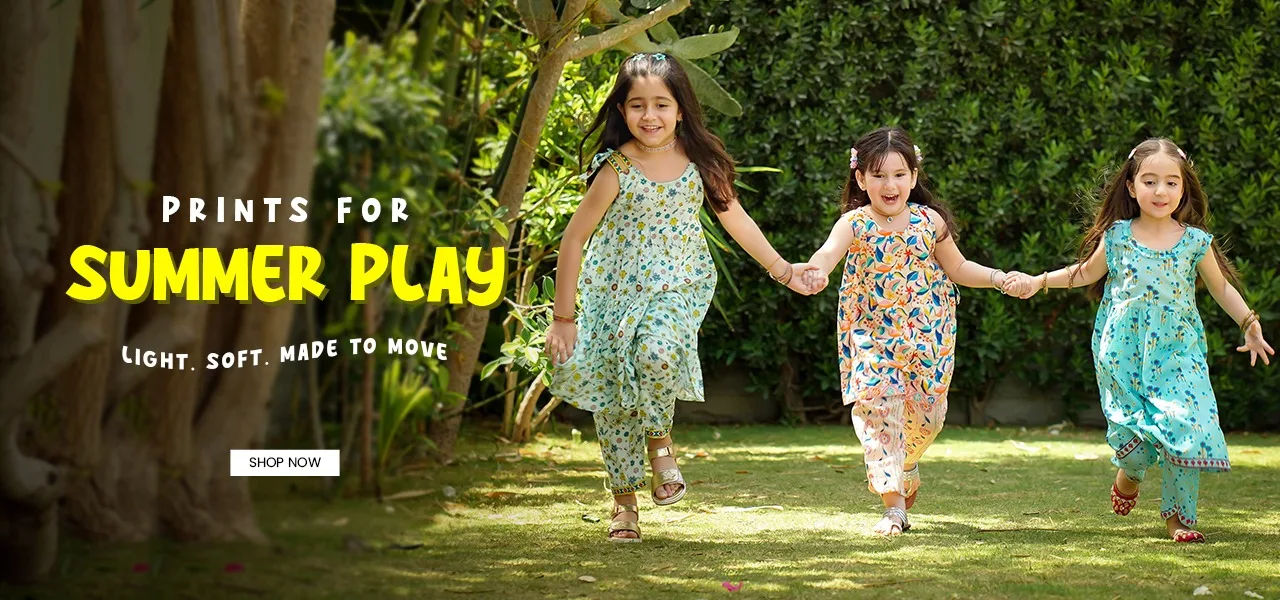
A good casual dress combines comfort, durability, easy maintenance, suitable coverage, and an attractive design. It should fit naturally without feeling too tight or too loose. The fabric should also work well with the weather and the activities planned for the day.
Practicality does not mean that a dress has to look plain or boring. Modern casual clothing can be stylish while still being easy to wear and maintain. The key is choosing features that support everyday use rather than focusing only on appearance.
Practical Casual Clothing
A practical casual dress is designed for regular activities rather than special occasions. It should be simple enough for everyday use while offering enough style to make the wearer feel good.
For younger girls, practicality is especially important because their clothing needs to support active movement. Running, walking, sitting, playing, traveling, and attending different activities can all require comfortable clothing.
Comfort Comes First
Comfort is one of the most important features of everyday clothing. If a dress looks beautiful but feels uncomfortable, it may not be a useful choice for regular wear.
The fabric should feel soft against the skin. Rough seams, stiff materials, or uncomfortable decorations can become irritating after several hours.
A comfortable dress should also allow natural movement. The wearer should be able to sit, walk, bend, and move her arms without feeling restricted.
The Right Fit
Fit has a major effect on practicality. A dress that is too tight can make movement difficult, while an oversized design may get in the way during everyday activities.
A good fit provides enough room for comfortable movement without making the dress appear shapeless. For growing girls, a little extra room can sometimes make the garment useful for a longer period.
The length should also match the girl's age and daily activities. A practical length can provide comfort while reducing the chances of the dress becoming inconvenient during walking or playing.
Choosing the Right Fabric
Fabric determines how a dress feels, performs, and looks after repeated use. Different materials are suitable for different seasons and activities.
Cotton for Everyday Wear
Cotton is a popular option for casual clothing because it is generally breathable and comfortable. It can be especially useful in warm weather when girls may feel uncomfortable in heavy fabrics.
Cotton dresses can also work well for regular activities because many cotton garments are easy to wash and maintain.
Lightweight Materials for Warm Weather
During hot weather, lightweight fabrics can make clothing much more comfortable. Breathable materials allow better airflow and can help reduce the uncomfortable feeling caused by excessive heat.
Loose-fitting lightweight dresses can be suitable for outdoor activities, family visits, vacations, and casual outings.
Warmer Fabrics for Cooler Weather
When temperatures drop, a practical dress may need to be combined with leggings, tights, sweaters, jackets, or other layers.
The best option depends on the weather and the activity. A versatile dress that works with different layers can provide more value than a garment designed for only one season.
Easy Movement Matters
Children and teenagers often have busy days. Their clothing needs to keep up with their activities.
A practical dress for girls should not make ordinary movement difficult. Designs with comfortable arm openings, suitable lengths, and flexible fabrics can make a noticeable difference.
For active days, dresses with relaxed silhouettes can be particularly useful. They provide freedom without sacrificing a neat appearance.
Avoiding Unnecessary Restrictions
Very tight waistbands, stiff materials, and excessive layers can make casual clothing uncomfortable.
A practical design should avoid features that interfere with normal movement. Decorative elements should also be placed carefully so they do not scratch the skin or become uncomfortable while sitting.
Durability for Regular Use
Casual clothes are often washed more frequently than formal clothing. This means durability should be considered when choosing an everyday dress.
A durable garment can handle repeated washing, regular movement, and normal wear without quickly losing its shape.
Strong Seams and Good Construction
The quality of stitching matters. Strong seams can help prevent the dress from coming apart after repeated use.
The neckline, sleeves, waist, and other frequently stressed areas should be properly constructed. Loose threads or weak stitching can reduce the lifespan of a garment.
Fabric That Keeps Its Shape
A practical dress should ideally maintain its shape after washing. Fabrics that shrink excessively, stretch easily, or become misshapen may not be suitable for frequent use.
Checking care instructions before purchasing can help parents and young shoppers choose clothing that is easier to maintain.
Easy Washing and Maintenance
Everyday clothing should not require complicated care. A casual dress that can be washed easily is often more practical for busy families.
Machine-washable fabrics can save time and effort when compared with garments that require special cleaning.
Stain Resistance and Everyday Messes
Girls can encounter food spills, dust, grass, and other everyday stains. A casual dress should ideally be easy to clean.
Medium shades, simple patterns, and washable fabrics can sometimes make minor stains less noticeable. More importantly, the fabric should respond well to normal washing.
Minimal Ironing
Clothing that remains relatively neat after washing can be especially convenient. Dresses made from fabrics that wrinkle heavily may require additional care before every use.
Low-maintenance clothing allows more time for school, hobbies, family activities, and relaxation.
Versatility Makes a Dress More Practical
A practical dress should work in more than one situation whenever possible. Versatility gives a garment greater value because it can be styled in different ways.
For example, the same casual dress may work for a family lunch, shopping trip, birthday gathering, or weekend outing.
Simple Colors and Patterns
Neutral or versatile colors can make styling easier. Soft prints, small patterns, and classic colors can be paired with different shoes and accessories.
However, practicality does not mean avoiding bright colors. A colorful dress can also be versatile when its design is simple.
Layering Options
A dress becomes more useful when it can be worn with different layers.
A cardigan can make it suitable for cooler weather. A denim jacket can create a casual appearance, while leggings can provide additional coverage and warmth.
Appropriate Coverage
Coverage is another important aspect of practical clothing. A casual dress should be suitable for the girl's age and the activities she will participate in.
Necklines, sleeves, and dress lengths should provide comfortable coverage without making movement difficult.
For school, family events, or outdoor activities, parents may prefer designs that provide more coverage. The best choice depends on the setting, cultural expectations, personal preferences, and weather.
Pockets Can Add Practicality
Pockets may seem like a small detail, but they can make everyday clothing more convenient.
A useful pocket can hold small items such as a tissue, hair accessory, or other lightweight personal belongings when appropriate.
Pockets should be securely attached and positioned comfortably. Oversized or poorly designed pockets can affect the appearance or balance of a dress.
Age-Appropriate Design
Practicality also includes choosing a design that suits the girl's age.
A dress for a younger child may include playful prints, comfortable silhouettes, and simple decorative details. Older girls may prefer cleaner designs, fashionable patterns, or styles that reflect their individual personality.
The most important factor is that the clothing feels appropriate and comfortable for the wearer.
Balancing Style and Function
A practical dress does not need to sacrifice fashion.
Details such as embroidery, bows, small prints, pleats, or attractive sleeves can add visual interest without making the garment difficult to wear.
The best designs balance appearance with everyday function.
Weather and Seasonal Considerations
The weather should always influence clothing choices.
In summer, breathable and lightweight dresses can provide better comfort. In colder months, dresses that work well with tights, leggings, sweaters, or jackets can be more useful.
For rainy or humid conditions, quick-drying or easy-care fabrics may be worth considering.
Choosing clothing based on the season helps prevent discomfort and makes the wardrobe more functional.
Choosing Shoes and Accessories
A practical dress should be easy to style with comfortable footwear.
Sneakers can create a casual look for active days. Flats or sandals may work well for family outings, while boots can provide a warmer option during colder weather.
Accessories should also remain practical. Heavy jewelry or uncomfortable accessories may not be suitable for long periods of everyday activity.
Safety and Practical Details
Some clothing details deserve extra attention when the dress is intended for younger girls.
Long loose ribbons, complicated fasteners, or decorations that can easily detach may become inconvenient during active play.
Secure buttons, properly finished seams, and comfortable closures can make a dress easier and safer to use.
Parents should also check that decorative elements are firmly attached, particularly when choosing clothing for younger children.
How to Choose a Practical Dress
When shopping for a casual dress, consider how it will actually be used.
Think about where the girl will wear it, how often it will be washed, what the weather will be like, and what activities she normally does.
Check the Fabric
Touch the material and consider whether it feels comfortable. Look for breathable fabrics during warm weather and warmer materials when temperatures are low.
Check the Fit
Make sure there is enough room for normal movement. The shoulders, waist, sleeves, and length should all feel comfortable.
Check the Care Instructions
Look at the washing and drying instructions. A beautiful dress that requires complicated care may not be practical for frequent use.
Consider Existing Clothes
Think about whether the new dress can be worn with shoes, jackets, sweaters, leggings, or accessories already available.
A garment that works with several existing items can create more outfits without requiring a large wardrobe.
Common Mistakes to Avoid
One common mistake is choosing appearance over comfort. A dress may look attractive in a photograph but feel uncomfortable when worn for several hours.
Another mistake is ignoring the fabric. A material that works well in winter may feel too heavy during summer.
Buying clothing without considering maintenance can also create problems. If a dress requires frequent special cleaning, it may remain unused even if it looks attractive.
Finally, choosing a design that does not match the girl's daily activities can reduce its usefulness. Practical clothing should fit the lifestyle of the person wearing it.
Why Quality Is Worth Considering
Higher-quality clothing can sometimes cost more initially, but durability may make it a better long-term choice.
A well-made casual dress can withstand regular washing and everyday activities better than a poorly constructed garment.
This does not mean expensive clothing is always better. Instead, shoppers should look at stitching, fabric quality, fit, comfort, and care requirements before making a decision.
Conclusion
A practical dress for girls should combine comfort, movement, durability, easy maintenance, suitable coverage, and versatile style. The best everyday clothing is not necessarily the most elaborate. It is the clothing that feels comfortable throughout the day and continues to perform well after repeated use.
Fabric is one of the first things to consider because it affects comfort, breathability, durability, and maintenance. Fit is equally important because girls need clothing that allows them to walk, sit, play, and move naturally.
Practicality also comes from versatility. A simple dress that works with sneakers, sandals, jackets, leggings, or sweaters can become a valuable part of a girl's wardrobe. Easy washing, strong stitching, appropriate length, and secure details can further improve its usefulness.
Parents and young shoppers should also think about the girl's age, personality, daily activities, and local weather. A dress that looks attractive but does not suit the wearer's lifestyle may not provide much value.
Ultimately, the ideal casual dress brings together function and style. It should look appealing without becoming difficult to wear. When comfort, quality, fit, fabric, maintenance, and versatility are considered together, it becomes much easier to find everyday clothing that a girl can enjoy wearing again and again.